

What it does
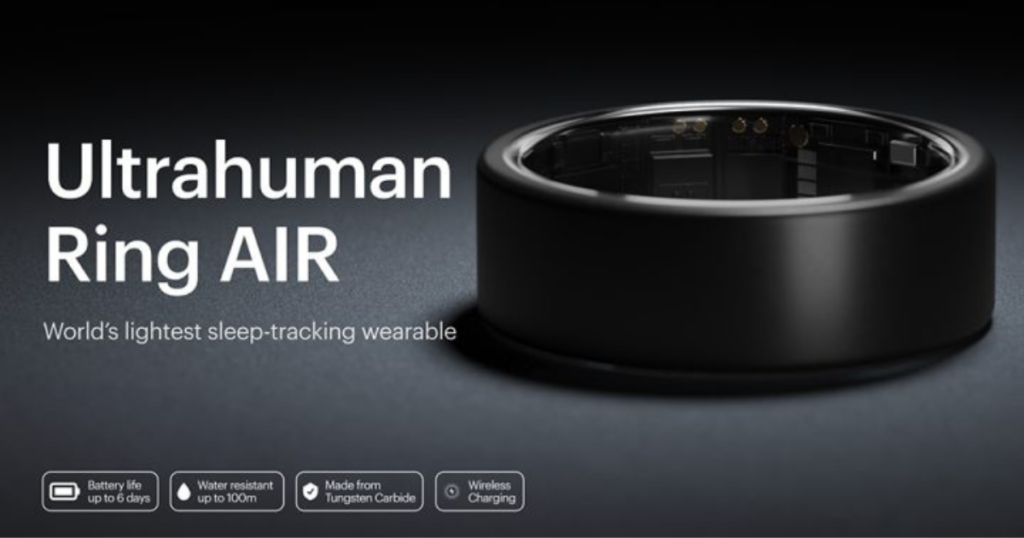
Ultrahuman introduced a “Respiratory Health” add-on (PowerPlug) for Ring AIR that can flag snoring and nighttime breathing disturbances using on-device audio from your smartphone, alongside the ring’s sleep/recovery signals.
Who this helps most
Snoring and breathing disruptions can quietly chip away at deep sleep—then show up the next day as fogginess, higher stress, and a shorter fuse. The win here isn’t “perfect data.” It’s awareness + trends: When does it happen? How often? What changed?
The one thing to try this week
- Treat it like a smoke alarm, not a doctor. If the trend spikes—pay attention, don’t panic.
- Run a simple 3-night experiment:
- Side-sleeping (or a pillow behind your back),
- No alcohol within ~3 hours of bed,
- Earlier/heavier dinner moved up.
Then watch whether the snoring/disruption signal shifts.
- If the pattern is persistent + you’re tired, consider a medical conversation—especially if you wake up gasping, have morning headaches, or feel unusually sleepy during the day.
Reality check
Snore detection and respiratory “disturbance” signals are not the same as diagnosing sleep apnea; consumer wearables can be useful for pattern spotting, but they’re not definitive medical tools.
