

The signal (in plain English)
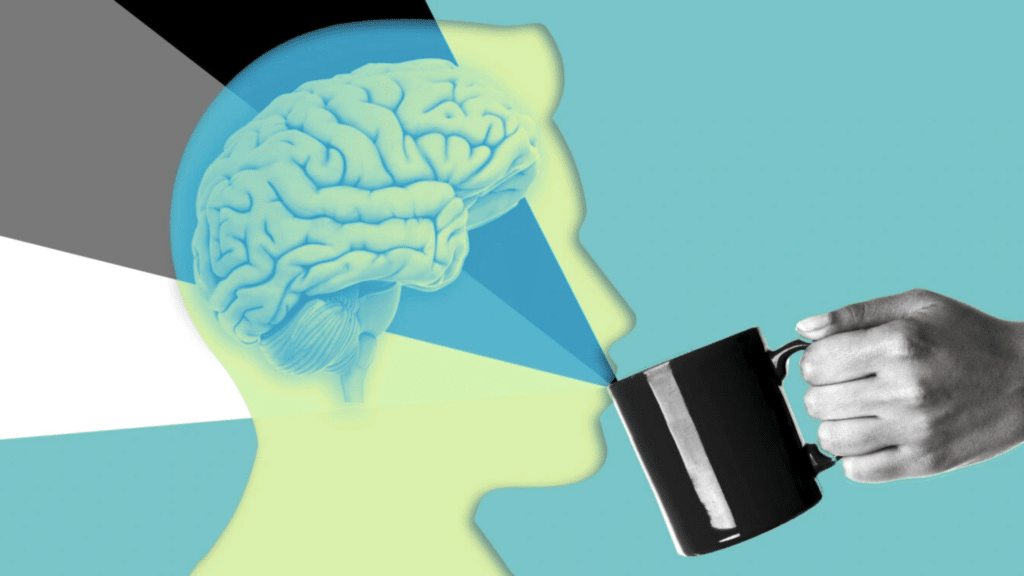
In a prospective cohort study published, higher caffeinated coffee intake was associated with a lower risk of dementia over long follow-up. Tea showed similar patterns; decaffeinated coffee didn’t show the same association.
The scale (why people are talking about it)
- 131,821 participants across two major long-running cohorts
- Up to 43 years of follow-up
- 11,033 dementia cases documented
That doesn’t make it “proven”—but it makes it hard to ignore.
The “sweet spot” (what was most pronounced)
The most pronounced differences were observed around:
- ~2–3 cups/day of caffeinated coffee, or
- ~1–2 cups/day of tea
More wasn’t necessarily better.
What this means (doable takeaways)
- If caffeine works for you: aim for “moderate + consistent,” not “random + huge.”
- If sleep is your weak link: set a caffeine cutoff (many people do best stopping after late morning).
- If anxiety/heartburn hits: don’t force it—brain health isn’t worth wrecking your day.
The takeaway
This is observational: it can’t prove caffeine prevents dementia. Lifestyle factors (sleep, diet patterns, activity, etc.) can still influence results—even with statistical adjustments. Use it as “one helpful habit,” not a shield.
