

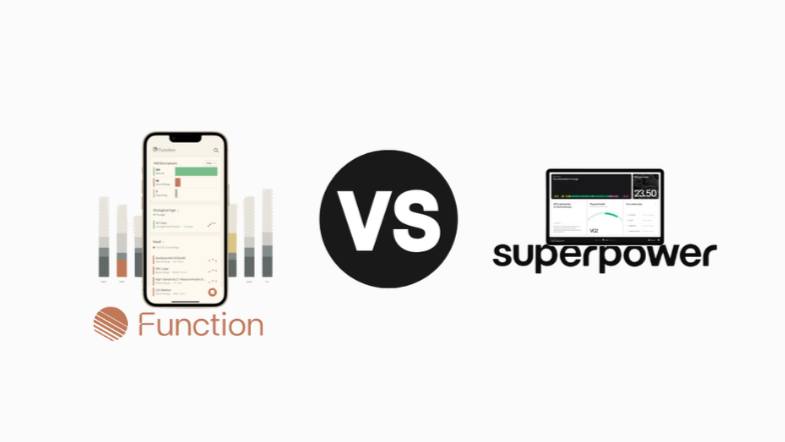
Function Health filed a lawsuit in California federal court against competitor Superpower Health, framed as a Lanham Act/false advertising-type dispute. The reporting summary says Function alleges Superpower made misleading claims tied to biomarker testing and clinical support, including via social media advertising.
The real issue isn’t “who wins.” It’s that wellness testing is now marketed like a subscription product—fast, confident, and lifestyle-branded—while interpretation is still… complicated. A big panel can be helpful, but it can also create anxiety, false alarms, and “number chasing.”
The red flags to watch for
- “More biomarkers” presented like it automatically means “better health”
- Results framed as diagnosis-level certainty
- Big promises without clear next-step clinical follow-up
- Vague language about labs, methods, or limitations
Your 60-second pre-test checklist
Before you pay for any at-home lab plan, run this checklist:
- Who runs the lab work? Look for clear info on the labs used and their credentials (not just marketing language).
- What happens after results? Is there real clinical follow-up—or just generic recommendations?
- Are they clear about limitations? Good programs don’t promise diagnoses or guaranteed outcomes.
- Do you have a “decision plan”? If a marker is off, do you know what you’ll do next (repeat, confirm, talk to a clinician)?
- Don’t overreact to tiny changes. Hydration, sleep, stress, and timing can swing numbers.
Takeaway
Direct-to-consumer testing can support better awareness—but it’s easy to turn into “health homework” without improving health. The value is in actions you can sustain, not maximum data.
