

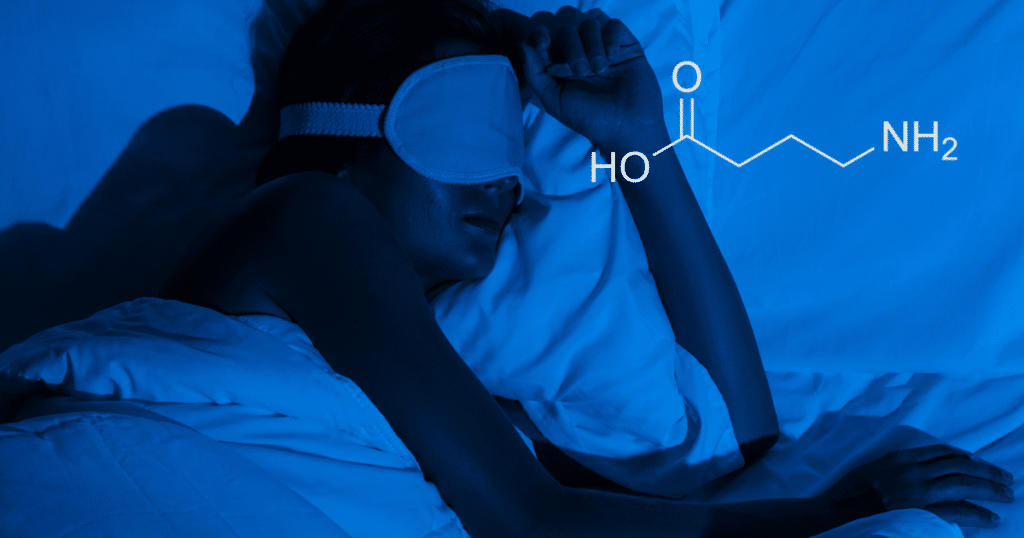
A placebo-controlled study found improved insomnia scores and better wearable sleep metrics with one specific probiotic strain.
Sleep supplements usually start with melatonin. This one starts with… a probiotic strain.
A new open-access randomized, double-blind, placebo-controlled study looked at whether a specific probiotic—Lactiplantibacillus plantarum Lp815—could help adults who reported sleep disturbance.
What they did (quick and clear)
- Adults with at least moderate insomnia symptoms were assigned to either a placebo or 5 billion CFU/day of Lp815 for 6 weeks.
- Researchers tracked subjective sleep and anxiety, plus objective sleep duration, using a wearable (Oura ring).
- A small subgroup provided urine samples to examine neurotransmitter changes, including GABA.
What they found (why this is interesting)
- The Lp815 group showed lower insomnia severity scores vs placebo at 6 weeks, and more people had a clinically meaningful improvement.
- Anxiety scores also improved vs placebo (especially among women in this sample).
- Objective sleep duration increased vs placebo, and the subgroup data suggested an early increase in urinary GABA that correlated with better sleep/anxiety scores.
What this means (without the hype)
This doesn’t prove “probiotics fix sleep.” It suggests one strain, in one trial, might help sleep by influencing the gut-brain axis (possibly involving GABA signaling). It’s a legit signal—just not a final answer.
Try this for now:
- Treat gut + sleep like a two-way street: regular meal timing, more fiber, and fewer late-night heavy meals can make sleep easier.
- If you’re curious about supplements, be specific: strain matters; “a probiotic” is not a single thing.
- Don’t skip the basics: light, caffeine timing, alcohol, and stress routines still do most of the heavy lifting
It’s a 6-week study, relies partly on self-reported outcomes, and the GABA testing was in a small subgroup—so it’s promising, but not something to treat as a universal cure.
