

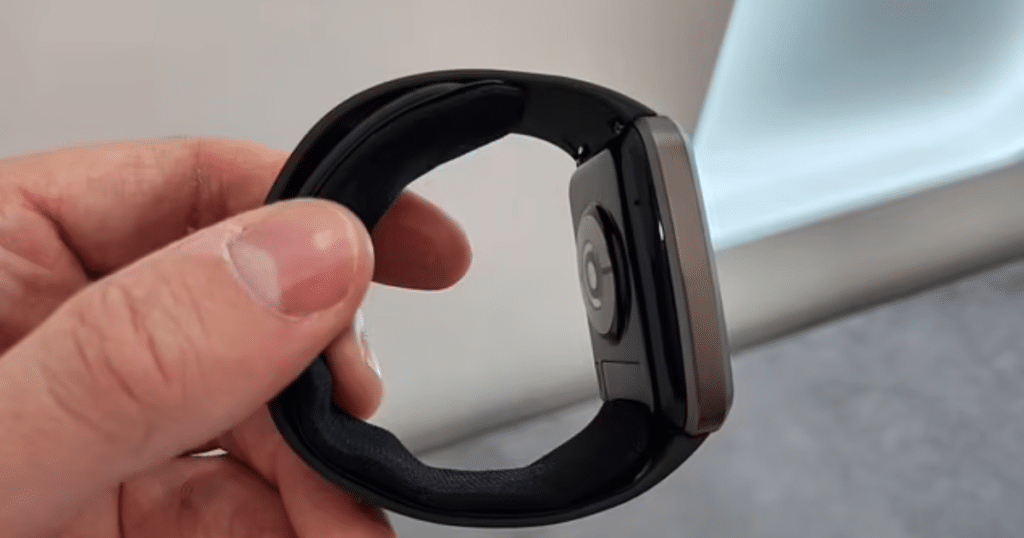
The FDA issued a new draft guidance on how cuffless blood-pressure devices should be tested—and it hints at where wearables are headed.
If you’ve ever seen a watch or ring claim it can estimate blood pressure, you’ve probably wondered: Is that number real—or just vibes?
Today, that question got a lot more interesting. The FDA released a draft guidance that lays out how cuffless, non-invasive blood pressure devices should be clinically tested and evaluated for premarket submissions. In other words: a clearer roadmap for what “good enough to trust” should look like.
What the FDA is actually doing (in plain English)
This document is draft, non-binding guidance—but it signals what regulators expect companies to prove before marketing these devices more broadly. The guidance focuses on cuffless systems that derive systolic/diastolic/mean BP from sensors (not the classic arm cuff).
The most important detail: accuracy targets
The FDA recommends acceptance criteria aligned with well-known BP standards, including:
- Mean error within ±5 mmHg
- Standard deviation under 8 mmHg
Translation: it’s not enough to be “close sometimes.” Devices need to be consistently close.
Why “change testing” matters (the part most people miss)
Even if a wearable matches a cuff once, it can drift when real life happens—stress, posture, movement, time of day.
The FDA specifically recommends testing that shows devices stay accurate after blood pressure changes, including induced “large changes” like:
- ≥15 mmHg systolic
- ≥10 mmHg diastolic
This is huge, because the main value of BP tracking isn’t a single number—it’s how your BP responds to sleep, stress, travel, alcohol, workouts, and recovery.
What this means for you (practical takeaways)
1) Treat cuffless BP like “trend data” until proven otherwise.
If your device isn’t clinically validated, use it for patterns (“higher after bad sleep”)—not diagnoses.
2) If you want meaningful BP insight now, keep a cuff in the loop.
A validated arm cuff + occasional wearable trends is the best combo until the new standards tighten the market.
3) Watch for the words that matter when shopping.
Look for:
- Clear statements about resting vs movement measurements
- Whether it measures spot-check vs continuous
- Whether it works during sleep or different body positions
4) Use BP data for behavior, not anxiety.
The best use of BP tracking is as feedback for habits:
- Sleep consistency
- Evening alcohol timing
- Stress breaks
- Recovery days after hard workouts
Promising, but early (why this isn’t “BP solved” yet)
This is a draft guidance, and the market will take time to align. But it’s a meaningful step: clearer expectations usually lead to better devices and fewer “mystery numbers.”
Bottom line: Cuffless BP wearables are moving from novelty to legitimacy—and this FDA roadmap is one of the strongest signals yet that more trustworthy tracking is coming.
