
HER PERFECT HOME GYM PROFILE
The Home Gym
She Actually Wants
Has Nothing To Do
With Equipment
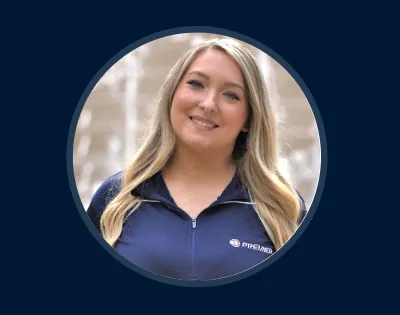
From Ashley at Premier Fitness
It starts with her. How she moves.
How she wants the room to feel.
What would get her in there every morning.
Answer a few quick questions and we will build a custom home gym profile around what she loves.
Takes less than 3 minutes. Your information stays between us.
Designed Around Her
Not a catalog of equipment. A custom profile matched to her workout style, her goals, and the way she wants the room to feel.
Built for Your Space
Whether it is a spare bedroom, a basement, or a room in a new build, the profile is tailored to what you are working with.
It Is a Surprise
She does not know about this yet. And when she sees the finished room, she will know you were the one who made it happen..